What Do You Do with the Pain After Losing Someone to Overdose?
After losing a loved one due to an overdose — especially during the opioid epidemic and even more so because of fentanyl poisoning — one of the hardest realities is that you simply do not know what to do with your pain.
You do not know where to place the grief.
You do not know where to put the guilt, the anger, the shame, the unanswered questions, or the horrifying memories that replay again in your mind.

- It is violent.
- It is confusing.
- It is isolating.
For many people, it creates a level of emotional pain they were never prepared to survive.
One of the first reactions many families experience after an overdose death is the overwhelming belief that some-how we could have prevented it.
“If only I answered the phone.”
“If only I saw the signs.”
“If only I forced treatment.”
“If only I loved them harder.”
“If only…”
That cycle can become endless.
And because overdose still carries enormous stigma, many families suffer silently. Some withdraw from friends. Others avoid community gatherings. Many feel ashamed discussing how their loved one died, even though addiction and fentanyl poisoning have now impacted virtually every type of family, every neighborhood, every income level, and every faith community in America.
So, what do people do with all that pain?

Many of us immediately try to “do something.”
*We create foundations.
*We organize walks.
*We advocate for laws.
*We speak publicly.
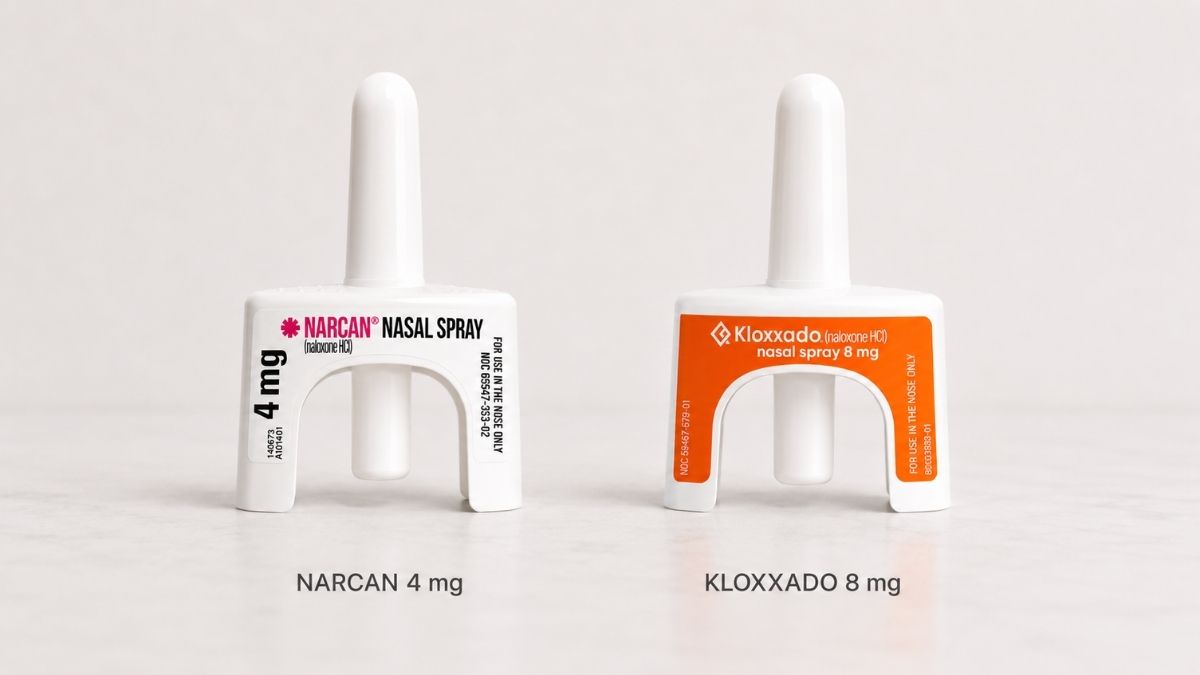
*We hand out Narcan.
We try to save others because we could not save the person we loved.
And while there are beauty and purpose in that response, there is also danger in it.
Many grieving families burn themselves out trying to turn tragedy into mission before they have even had time to process the trauma itself.
Starting a nonprofit sound meaningful — and sometimes it is — but the truth is that running a foundation requires enormous emotional, financial, administrative, and physical energy. For families already drowning in grief, it can eventually become another source of exhaustion and heartbreak.
I have seen many overdose-loss organizations quietly disappear within five years because the grief that created them was never fully healed underneath the mission.
So, what are the alternatives?
What can families do when they are overwhelmed by grief but still feel called to honor their loved one?
The answer is this:
You do not need to start a foundation to create meaning from your loss.
Sometimes healing begins with much smaller acts.
Here are some suggestions that Crissy and I have discussed:
- Join an existing organization instead of carrying the entire burden alone
• Volunteer once a month at an outreach event
• Speak openly about your loved one’s life without shame
• Attend grief support groups
• Advocate quietly behind the scenes
• Mentor another grieving parent
• Participate in remembrance walks
• Carry your loved one’s photo publicly so others know they are not alone
• Write about your experience
• Create scholarships, memorial projects, or annual family traditions
• Help educate young people about fentanyl and overdose prevention
• Simply survive long enough to help someone else survive
There is no “correct” way to grieve
*Some people become advocates.
*Some become private healers.
*Some return to faith.
*Some need years before they can even say the word overdose out loud.
All those responses are human.
One of the most important lessons Cristina and I have learned is this:
You do not heal by forgetting the people you lost.
You heal by learning how to carry them differently.
The pain never fully disappears.
Certain dates still hurt.
Certain songs still break you.
Some mornings still feel impossible.
But eventually, many families discover something unexpected:
Purpose can slowly grow beside the grief.
Not replacing it.
Not erasing it.
But walking beside it.
That is why events like Walk for Lives matter so deeply to us.
Because when families walk together holding photographs of the people they lost, the silence begins to break.
The shame begins to lift.
And people finally realize they are not alone.
Perhaps that is where healing truly begins.
Epilogue
This article was written by Chris Cavallo and his daughter Cristina Cavallo, Co-Founders of The Robin Foundation.
Cristina serves as the Foundation’s Chief Strategist and holds multiple professional credentials, including MCAP, ICADC, and HRS, with more than 19 years dedicated to advocacy, recovery support, harm reduction, and helping individuals and families impacted by substance use and mental health challenges.
The Robin Foundation was originally formed by Chris, Cristina, and Stefanie Cavallo after the devastating loss of Robin Cavallo — wife and mother — due to an overdose. Years later, the family would suffer another unimaginable tragedy with the loss of Stefanie to fentanyl poisoning.
Today, through education, advocacy, overdose prevention initiatives, community outreach, and events such as Walk for Lives, The Robin Foundation continues working to transform personal tragedy into awareness, compassion, healing, and hope for other families navigating the pain of addiction, overdose, and loss.
Related Posts

Living With Loss and Isolation After Overdose