We Are Not Out of the Woods

The recent reduction in overdose deaths across many parts of the United States — including here in Florida — is encouraging and gives many families and professionals hope. But as I often have said :
“We are not out of the woods.”
What we may be witnessing is not the end of the opioid epidemic, but rather a temporary shift in an increasingly dangerous and unpredictable drug landscape.
Today’s illicit drug supply changes constantly. Unlike heroin of decades past, many of today’s synthetic opioids are man-made in laboratories, inexpensive to produce, extremely potent, and easy to transport in very small quantities. As law enforcement cracks down on one substance, another often appears — sometimes even more powerful and deadly than the last.
The emergence of substances like Fentanyl, Carfentanil, nitazenes, xylazine, and other synthetic compounds demonstrates how rapidly the drug supply can evolve. Many people now overdose not because they intended to use opioids, but because fentanyl and similar substances are being mixed into counterfeit pills, cocaine, methamphetamine, and other street drugs without the user’s knowledge.
This is why harm reduction remains critically important — even during periods when overdose numbers appear to decline.
Harm reduction does not encourage drug use. Harm reduction helps keep people alive, reduce overdose risk, and create opportunities for safer outcomes and future support.

Some of the most important harm reduction strategies include:
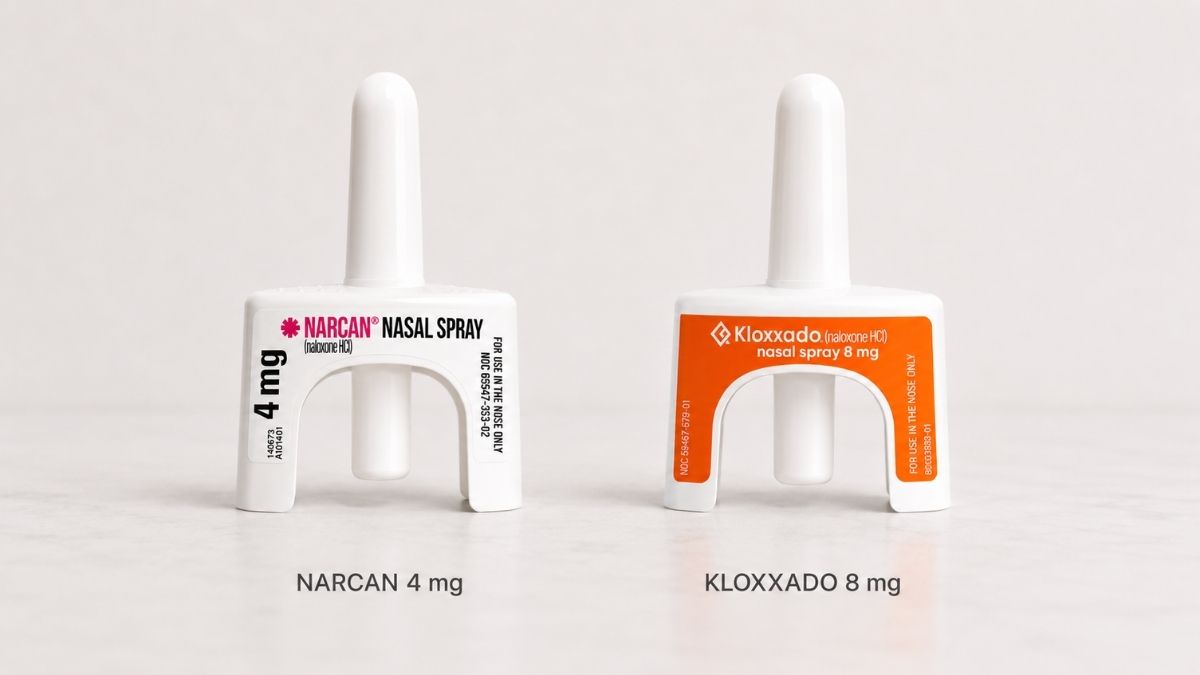
- Carrying naloxone (Narcan) and learning how to use it
- Installing public Overdose Emergency Cabinets (OECs) through The Robin Foundation alongside AED’s and other emergency equipment
- Never using alone
- Using fentanyl and xylazine test strips when available
- Calling 911 immediately during a suspected overdose
- Educating the public about the Florida Good Samaritan Law so people are not afraid to seek emergency help
- Increasing overdose-response training in schools, businesses, hotels, restaurants, and public venues
- Expanding access to treatment and recovery services
- Supporting peer recovery and community outreach programs
- Reducing stigma so families are more willing to ask for help
- Providing clear public education about counterfeit pills and synthetic opioids
- Ensuring Narcan is visible, accessible, unlocked, and easy to locate during emergencies
One of the greatest dangers right now is complacency.
A decline in overdose deaths does not mean the crisis is over. It means communities, first responders, advocates, treatment providers, and families have been working tirelessly to save lives. But the synthetic drug market continues to evolve faster than most people realize.
The next wave of deadly substances may already be entering communities across America.
That is why organizations like The Robin Foundation continue to push for public overdose emergency infrastructure, widespread naloxone access, education, training, creating public health policies as well as laws and compassionate harm reduction initiatives.
Because every life saved today creates the possibility for recovery tomorrow.
And until no more families experience the pain of losing a loved one to overdose or fentanyl poisoning, we are still very much in the woods.
Chris-Cristina Cavallo
Co-Founders
The Robin Foundation
Related Posts

Living With Loss and Isolation After Overdose